Traffic sound has a method of sliding under doors and via home window seals. In Melbourne's inner suburbs, an active tram line can muffle supper conversation, and a weekend break of footy web traffic can turn a courtyard into a resemble chamber. You do not have to live next to a freeway to feel it. A steady 60 to 70 decibels at the residential property limit prevails along collection agency roads, and brief spikes above 80 decibels occur with motorcycles, trucks, and alarms. Acoustic fencing is not a magic mute switch, yet, done correctly, it can cut an obvious 10 to 15 decibels from what reaches your exterior areas. That modification feels bigger than the number recommends. It is the difference between a consistent, distracting hiss and a background presence you can ignore.
A Melbourne Fence Company sees this pattern weekly. Properties in Brunswick, Coburg, Hawthorn, and Bentleigh share the very same restrictions: limited frontage problems, council height limits, heritage streetscapes, and highly variable dirt. Add blended weather condition, with northward blasts in summertime and persistent winter damp, and you get a clear short for fence design. It has to block noise, shed water, resist activity, and resemble it belongs.
What in fact decreases sound at a boundary
Sound control at a fencing originates from mass, airtightness, height, and distance. That order matters. If you chase after elevation without mass, the fence will still send roll with the panels. If you include mass yet leave gaps, the noise leakages with like light with blinds.
Mass: A thick barrier absorbs and shows sound. Think about it as a wall surface. A 20 to 25 kilo per square metre panel is a useful baseline for residential acoustic fence. Stonework does this normally, yet you can reach comparable efficiency with engineered timber composites, fiber concrete sheets over studs, or double-skin steel with stuffed mineral woollen. Thin Colorbond alone is not nearly enough. It rings like a drum unless you include support and fill. A great Fencing Company Melbourne will certainly specify the mass per location plainly, not just the product name.
Airtightness: Any kind of space in the line, even a finger-width near the bottom, produces a lateral path. Sound will certainly discover it. Continual plinths, sealant at joints, rebated messages, and overlapped boards make the distinction in between a fence that "type of aids" and one that quickly soothes the yard. I have rebuilt six-month-old fencings that looked robust however had a 20 millimetre rake along the ground. Closing that rake, with a concrete or composite plinth, went down viewed sound immediately.
Height: Height breaks view in between source and receiver. Over the line of sight, each extra 300 millimetres acquires decreasing returns, but the very first metre above standing ear height does a great deal of work. In Melbourne, common domestic boundaries cap at 2.0 to 2.2 metres without an authorization, relying on the council and location on the whole lot. A Melbourne Fencing Company acquainted with Glen Eira versus Moreland policies can conserve weeks of back-and-forth, because wording varies and some streets have overlays that alter the limit.
Distance: Obstacles assist, however a lot of suv whole lots do not have spare metres. When you can, pulling the fencing a small distance toward the sound resource can enhance shadowing for your primary living area, yet that approach has to play great with title limits and sightlines. The usual step is the opposite: maintain the fencing on the border, then form internal landscape design to include distance and absorption on the home side.
Materials that gain their keep
Acoustic performance and Melbourne weather press materials into a slim set that functions long-term. If you hear a pitch for magic foams or thin laminates that "terminate" roadway noise, hold your pocketbook. Easy obstacles count on thickness and connection, plus some interior damping.
Timber composite panels: Thick composite boards, tongue-and-grooved with refunds, can hit 18 to 22 kilos per square metre. They are steady, less vulnerable to cupping than strong timber, and endure seaside wet if sealed. They need correct posts, typically steel SHS or H-section galvanised blog posts, with a ground that takes the added wind load. The Melbourne Fence Company teams I trust use glued joints plus mechanical mendings at rhythmic periods, not simply nails, to stay clear of rattles on gusty days.
Fiber cement cladding over structures: A dual layer of 9 to 12 millimetre fiber cement sheets repaired to both sides of a lumber or steel frame, with staggered joints and acoustic membrane in the tooth cavity, provides reputable performance. The cavity works as a damped layer, especially if filled with 60 to 80 kilo per cubic metre mineral wool. Sides should be secured. I have actually seen a solitary missed corner split halve the benefit near that section.
Double-skin steel with infill: Colorbond or similar steel skins on both sides of a 50 to 75 millimetre framework, with dense acoustic batts or recycled rubber crumb panels inside, can be cost effective for futures. The method is decoupling. If both skins are tied strictly at every point, they transmit resonance. Making use of staggered dealing with and isolation pads at rails minimizes that coupling. This is where a Fencing Company with in-house information illustrations exceeds generic installers.
Masonry and block: Block or concrete block provides large mass and longevity. On little frontages, a 1.8 to 2.1 metre block fence with topping is hard to defeat acoustically. The trade-offs are weight, cost, permits, and grounds. Responsive clays across Melbourne's west and north can move sufficient to break mortar if a footing is undersized. Appropriate engineering and a continual footing to secure dirt is crucial. Include expansion joints at set intervals or you will certainly be repointing within two winters.
Green layers: Vegetation does not block noise on its own, but used correctly it aids the fence do its task. Thick bushes or mountain climbers on a trellis separate mirrored sound on the lawn side. The combination of tough obstacle and soft vegetation can cut an additional number of decibels from the subjective experience, and it alters the high quality of the noise from sharp to diffuse. Choose species that manage mirrored warmth from dark panels, like westringia or correa, and keep clear of message footings.
The physics you can hear
You do not require a diploma in acoustics to recognize why some fences function. Think about 3 paths: through, over, and around. Mass and airtightness quit "through." Height decreases "over." Corners and returns manage "about."
Over-reflection is a covert concern. A hard, flat fencing can bounce sound right into upstairs areas or back toward next-door neighbors. Somewhat angled covering or a distinctive face aids, therefore does a staggered plan. A fence that tips or bends, instead of a dead-straight 30 metre airplane, scatters representations. When a Melbourne Fencing Company illustrations your run, check whether they have prepared flat planes to the millimetre. If they have, ask how they are handling reflection.
Low frequencies from vehicles and buses persist. A 2.1 metre fence will not remove that rumble, because low waves flex around barriers much more conveniently. What you can do is minimize the intensity and viewed loudness. Conversation regularities and tyre hiss loss fast with a solid barrier. That is why clients commonly report, after installment, that the road really feels "better away," also if the deeper thrum stays faintly present.
Council guidelines, allows, and next-door neighbor realities
Melbourne councils share motifs but vary in limits. Front fences encountering the road often have more stringent height and transparency requirements than side and back borders. If your residential or commercial property is in a heritage overlay, a strong 2.1 metre stonework wall surface on the street front will certainly be a non-starter, while a side boundary fencing of the same height behind the front problem could proceed with straightforward notice.
For acoustic jobs, the cleanest course is generally a strong side or rear fencing to 2.0 to 2.2 metres, based on the preparation system, with a front fencing that balances transparency demands with partial acoustic gains near entry locations. A Melbourne Fence Company that frequently deals with Yarra, Darebin, Port Phillip, and Boroondara coordinators will understand where a fast permission is most likely and where a formal application is unavoidable.
Neighbors matter. The most effective time to bring them in is at concept stage. I have watched tasks sail with because the proprietor shared a straightforward one-page strategy with altitudes, shade swatches, and a brief note concerning sound. A fencing https://fencepros.com.au/ that boosts both sides is much easier to settle on. If you can, use the good face to the neighbor and a tiny planting allowance on your side. Shared expense arrangements are still usual when the benefits are clear.
Footings and wind lots in a four-season city
Acoustic fencings are heavier and often taller than standard paling runs, so posts and grounds must be sized appropriately. Wind load increases with elevation, and dense fencings catch even more wind. In open corners, the uplift on a 2.1 metre, 10 metre run in a wintertime northerly can stun you. I have actually seen undersized braces turn inside concrete just since the installer thought a normal paling fence detail would suffice.
Soil varies block to block. Sandy pockets near the bay can jettison around holes, so temporary casing helps keep footing shape. Reactive clays expand and contract seasonally. That motion will shear light grounds over time. We normally define 600 to 900 millimetre deep footings for 2.0 to 2.2 metre acoustic runs, wider and deeper at corners and gateways, with galvanized articles anchored with correct cover to the concrete. In high exposure websites, an engineer's computation for footing diameter and reinforcing conserves heartache.
Drainage is not optional. A closed fencing traps water if you do not plan for it. Weep courses along the bottom, permeable garden strips, and refined grading away from the fence line avoid merging that can wick into hardwood elements or frost-damage stonework in the Dandenongs. Melbourne's winters are moderate, yet 3 months of moist can swell boards and loosen up correctings if the layout overlooks water.
Surface surfaces that last in Melbourne's light and weather
Long-life finishing is much less regarding the paint brand and even more concerning preparation and cycles. Smooth factory-finished steel skins, powder-coated in light to mid tones, shrug warm and UV far better than dark, high-gloss colors. On compounds and fiber concrete, we specify breathable, elastomeric exterior coverings that connect hairline movement and withstand liquid chalking. They are not low-cost, but they stretch the repaint cycle towards the 8 to 12 year mark.
Timber elements, if made use of as battens or topping, should have a penetrating oil or high-solids stain rather than a thin film. Film completes crack and peel off when boards move. Oils and spots fade uniformly and can be rejuvenated without fining sand every square metre. In coastal pockets or open northern facets, plan on a recoat every 18 to 36 months for hardwood highlights. The Melbourne Fence Company staffs I collaborate with track these cycles in a schedule and leave the property owner with a basic timetable and item list.
Hardware must be stainless or hot-dip galvanized, not simply zinc-plated. Acoustic fences generally include more mendings, and failure at a solitary connection can create a rattle you will hear on blustery nights. Gates need closed drop seals and magnetic locks instead of spring-only catches, which leave voids that whistle in wind and leak sound.
What a practical result looks like
If your kerbside sound sits around 68 to 72 decibels during heavy traffic, a well-built acoustic fence at 2.1 metres with a mass per location over 20 kilograms per square metre and closed outlining can cut 10 to 15 decibels at a patio area set back 4 to 6 metres. That does not indicate silence. It indicates conversation at regular levels without raising your voice and a yard that does not really feel pinned to the street.
At evening, when base levels go down, the fence preserves privacy and tempers erratic spikes. A motorbike still introduces itself, yet it passes as a softer, much shorter occasion. Customers typically report copulating windows fractured open once again in springtime, something they had actually surrendered on.

Inside your home, the fencing's impact is indirect. If you have single-glazed sitting rooms, consider that an exterior barrier reduces the tons on your window upgrades. The very best outcomes come when you combine the fence with decent seals on doors and windows, and with insulated wall surface tooth cavities. The point is not to invest anywhere at the same time, but to stage useful steps. A Fence Company Melbourne group that assumes in systems, not simply fencings, will certainly make those compromises clear.
Common mistakes that sink performance
Gaps are the top offender. I have checked brand-new fencings that allow daylight under with the reasoning that "we require air flow." Air will locate various other courses. If you require air flow, let it happen above head elevation, not at the ground where it brings street noise right onto your outdoor patio. Proper vents at the top, tilted for privacy, job without costing acoustic performance.
Lightweight infill is a close secondly. A single skin of slim sheet without any damping looks neat on the first day and lets down on day two. If budget plan is limited, invest in fewer metres done properly as opposed to a long, thin run. Phase the rest later.
Ignoring edges creates acoustic leaks. Sound wraps around the end of a fence and shoots right into your yard like water around a rock. Return the fencing at least a short range at exposed ends, or shape landscape design to develop a secondary display. Even a 2 metre return near a driveway transforms the audio field meaningfully.
Finally, going after the incorrect statistics wastes cash. Do not get lost in lab ratings that do not show actual setup. Ask your Melbourne Fencing Company for built examples you can visit, or at the very least for site images revealing the describing at base, messages, and overlaps. A 2 dB claim on paper is useless if the team on the day leaves a row of unsealed penetrations.
Design that appreciates the street
Melbourne's suburbs have personality. A solid wall surface can really feel rough on a leafy street if the face is dead flat and dark. Softening with rhythm and structure goes a lengthy method. Vertical battens in front of a strong core, established with small spacing, include depth and break up reflections. Stonework with recessed panels and a light cap can take a look at home also in heritage precincts if the proportions nod to the era.
Color issues. Mid-greys and low-key environment-friendlies recede. Charcoal looks smooth however runs hot and emphasizes dirt. On lengthy wall surfaces, think about a two-tone approach with a lighter body and darker plinth and cap. It conceals marks and equilibriums height aesthetically. Planting pockets and incorporated lighting include efficiency. Cozy, low-glare lights along the backyard side make the room really feel intentional rather than defensive.
Working with a professional instead of improvising
A Melbourne Fence Company that focuses on acoustic tasks brings details that basic contractors miss. They will certainly ask about dominant noise types, procedure degrees at different times, and stand at the desired seats locations to map the line of sight. They will certainly sketch section information that demonstrate how the fencing fulfills the ground, the blog post, and the cap, not simply a plan view. That interest appears in the result.
From the first call, expect a site visit, a harsh decibel standard, and a principle with one or two options. One may be a higher-mass, lower-height run staying within permit-free restrictions, the other a taller, somewhat lighter variation that needs council interaction. Great drivers will explain the threats and incentives of each course and give a variety for anticipated reduction as opposed to a promise.
If you are contrasting quotes, stand up to the urge to line up just the last cost. Examine the explained mass per square metre, the cavity fill density if pertinent, the number and sort of fixings, message dimension and ground deepness, sealer and flashing information, and the warranty on finish. Ask for at least 2 addresses of past installs with comparable conditions. If a Fencing Company Melbourne can refrain that, maintain looking.
Cost, timing, and staging without surprises
Budgets differ wildly, yet some anchors help. A standard acoustic upgrade to an existing wood fencing, using added mass layers and securing, could sit in the reduced hundreds per direct metre. A purpose-built, double-skin system with high quality coatings, taller blog posts, and crafted grounds can reach the high hundreds per metre. Masonry rests on the top end once you account for excavation, elimination, and bricklaying.
Lead times are seasonal. Springtime is busy. If you need the fencing up before Xmas, book early. Setups for regular domestic runs take 2 to five days depending on accessibility, length, and footings. Add even more time for masonry or if services make complex digging. A Melbourne Fencing Company with its very own crews instead of subcontract-only staffing can manage weather condition delays and keep your job moving, which is not trivial in a city where you can shed two days to rainfall without warning.
Staging is practical. If funds do not stretch to the full limit, begin with the sides that matter most: the line facing the noise and the corners that leak. You can pre-set posts for the future and total infills later on. That insight maintains the appearance regular throughout phases and prevents rework.
Maintenance and small practices that protect performance
Acoustic fencings are not set-and-forget. Strategy a straightforward annual check. Walk the line after winter months, when ground motion and wind have done their work. Try to find hairline cracks at joints, loosened capping screws, or leaves wedged against the base that hold dampness. Clear yard beds far from the base by a few centimeters so the reduced edge can dry. Re-seal any type of opened up joints prior to summer warm expands gaps.
If you have actually entrances integrated into the fencing, treat them as acoustic parts. Replace used drop seals, examine latch placement, and make certain the threshold does not lift and develop a permanent void. Joints do not simply squeal when they use, they permit the door to sag, opening a noise path.
Paint and finishings should adhere to the manufacturer's maintenance timetable. In Melbourne's UV, a light cleansing twice a year with moderate cleaning agent avoids the liquid chalking that reduces a layer's life. Resist stress cleaning at close quarters. It compels water into joints and can remove sealant.
A quick instance from the field
A family in Thornbury had a 17 metre side border facing a bus course. The existing 1.8 metre paling fencing was tidy but porous. We gauged a daytime garden degree around 66 to 70 decibels, peaking to 78 when a bus retreated from the quit. Their outdoor patio rested 5 metres from the fence.
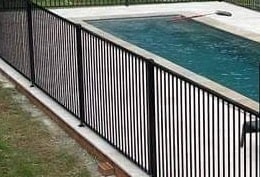
We suggested a 2.1 metre double-skin steel system with a 70 millimetre tooth cavity filled with 60 kilo per cubic metre mineral woollen, staggered dealings with, and a concrete plinth to close the bottom space along an irregular path. Blog posts were 100 millimetre galvanized SHS at 2.4 metre centres, set 800 millimetres deep. The lawn side got upright hardwood battens at 90 millimetre centres to soften representations and mix with their pergola.
We handled an easy planning notification for elevation, given the front was already compliant, and coordinated with the neighbor who concurred after a short conversation at the fence with a tape measure and a coffee. The next-door neighbor asked for the smooth face on their side and obtained it.
Post-installation, the determined level at the patio dropped to 54 to 58 decibels in the very same time window, coming to a head at 66 on bus pull-away. More notably, the household reported they could hear birds again in the early morning and did not need to raise voices over dinner. The low-frequency roll was still faintly present, yet the hiss and sharp engine notes were restrained. Six months later on, whatever was tight, no rattles in wind, and the battens had mellowed in color nicely.
Choosing who to count on a congested market
Plenty of drivers can dig openings and set panels. A Melbourne Fence Company that treats acoustics as a craft brings a different sensibility. They care about the undetected edges, the feeling on a windy evening, and the sound at the back actions, not just the fencing line on a strategy. The ideal companion will talk as much regarding mass per area and securing as they do regarding shade and cap style.
Look for a Fencing Company Melbourne with genuine photos of builds that resemble your street, particular notes on council procedures, and crews that turn up with the right gear for your soil. If they mention responsive clay unprompted in Pascoe Vale, or gust channels near the bay, you are probably in great hands. The business worth trusting measure two times, seal every joint, and hand over a straightforward upkeep plan.
Acoustic secure fencing will certainly not transform Lygon Street right into the Otways, but it can transform your yard back into a place to sit, chat, and take a breath. That modification, lived every day, is what makes the project worth doing. When a Melbourne Fencing Company obtains the fundamentals right, the fencing comes to be an ally you stop seeing, and the city's sound slides back to where it belongs, beyond of the boundary.